How to Add a Tachometer to your system |
|
|
This first section addresses adding a tachometer to a system that does not have one installed. Typically, this will apply to customers that desire a tachometer as part of a new ZRD DC Genset installation. It will provide additional information, but it is not required. For installations that already have an installed tachometer (each engine requires its own separate tachometer), see the next section on adjustment that follows. |
|
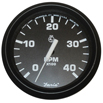
1. Select and mount (as desired) an electric tachometer of your choosing. Ensure your selected tachometer has a calibration screw available.
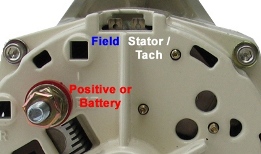
2. Connect the white wire on the alternator side of the regulator harness to the alternator's stator/tach tab (shown in photo). 3. Connect the other end of the harness' white wire to the regulator's stator tab. 4. Connect a (new - user supplied) white wire from the regulator tach tab to the newly installed tachometer. 5. Perform Calibration & adjustment (following section) as required. |
 |
Calibration & Adjustment
Will my tachometer work correctly when I install a new alternator or regulator? |
|
1. If the alternator you are replacing has a different number of poles, was never calibrated, or you are adding a newly installed tachometer to your ZRD DC Genset, you will
need to adjust your tachometer using the following procedures.
2. Synchronize your engine's rpm to the engine's tachometer with valid data. |
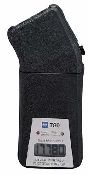
TIF Infra-red Photo-tachometer Shown Many companies and models available |
So that you actually know that you are using correct data, you will need to have, borrow, or purchase a Photo Tachometer. I recommend you include one with your boat tools. They are not expensive and prove very valuable over time. Many tool suppliers including Sears (Craftsman) sell them. You cut off a small piece of reflecting tape that comes with the tool and stick it on the pulley you desire to check the RPM (crankshaft pulley for engine rpm) for. Place the reflecting tape so that it is visible on a straight line from you. Point the photo tachometer at the flywheel (reflecting tape) and push the button. The photo-tachometer display will show your RPM digitally - exactly! Real simple. |
|
↑ Recommend ZRD |
|