|
|
If it has to do with a vessel's electrical system (marine charging or supply, Single or Dual Alternators,
12 volt DC,
24 volt DC,
or
120, 208, 240 volt AC,
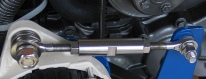
ZRD is your source for answers, unique requirements, alternator parts and components [alternator mounting bracket, pulleys, universal adjustment arm,
transient spike protectors, alternator & battery temperature sensors, 3-stage external regulators, digital remote charging (for charging second
battery bank, multiple battery banks, start batteries for engine, or a generator, windlass battery, thruster battery, ... from one charging source -
alternator, shore charger, generator, ...), ], and
Advanced Charging Solutions. We specialize in methodologies to select,
attach (mounting bracket), and install items for/in your vessel. If you need or desire a
High Output Alternator, Serpentine or Multi-sheave Power Take Off (PTO) pulley, Lifeline and Sun Xtender AGM Batteries,
Generator (DC & AC), Dedicated Marine Solar Panels Multi-Stage External Regulation, or Remote battery charging, you should look no further.
In addition, ZRD offers complete vessel refit and design services. Our expertise also covers marine
air conditioning and
refrigeration, especially, how they interface with the electrical system. As a US Certified International
Freight Forwarder, ZRD is able to
ship our products Directly to you Worldwide.
|
|
On ZRD alternator webpages, are views of ZRD manufactured Very High Output Alternators used in Second (Dual) Alternator installations and OEM first
alternator R&R or upgrades. The High Output Second (Dual) Alternator is available in
12vdc-220amp or
24vdc-90amp. OEM first alternator replacements are available in
12vdc-94* amp or
24vdc-50 amp), with Internal or External Voltage Regulation, and 3.15", 2", or 1" mounting styles.
*12vdc - 120 and 140 amp is available (s/o) for post OEM warranty applications. The complete line of
ZRD manufactured High Output Alternator Solutions are available in:
12vdc (50 to 300+ amps), and
24vdc (50 to 220 amps),
To learn more and see details, CLICK on any alternator picture above. The High Output Second (Dual)
Alternator web page has a Movie Icon allowing you to view a few clips (abbreviated 70sec mp4) taken from a 20 minute ZRD High Output Alternator
instructional installation video.
|
|
Finally,
you have found what you have been searching for - Without question or compromise,
the best DC Generators available. A complete line of DC Generators that offer a multitude of voltages (
12 volt DC, and
24 volt DC, and amperage combinations
up to 800amps are available. Some 12 and 24 vdc models are available with external regulation. All designs have
USER Controlled full throttle capability.
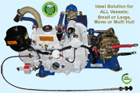
The ZRD DC Generator solution shown above (ZDCGE1222) may have up to 66 times (6,600%) more amperage available for battery bank charging and may also only require 7%
of the engine run time compared to some 120vac Generators using a standard battery charger. Like everything ZRD manufactures, it is the "Rolls Royce" of the industry,
but at unexpected
affordable pricing.
When you purchase one of the many TSPs (Total System Packages) that ZRD, LLC offers, you become a member of the ZRD family. From the start of your relationship, you receive
personalized attention, with an honest sincerity not found in many businesses any more. ZRD is a small
veteran owned and operated
company, proudly
designing, engineering,
and most significantly
actually manufacturing ZRD products
in the USA.
ZRD employs superior workmanship under exacting quality controls. In-sourcing, Never Out-sourcing is a paramount foundation at ZRD.
May we strongly suggest that you review all of the information provided on our web site prior to giving us a phone call or sending an email.
The response (information you are looking for) you will likely receive is (more than likely) already posted there in an easy to understand format. It will save you a significant
amount of time doing research and it provides valuable information you may not have even known or considered. The website was developed based on the questions we received over the
years on a daily basis. We are always adding new, beneficial, and unique questions and scenarios. Many have referred to it as a great free online resource (book). The Product
pull-down menus are not just a sales tool. These sub-menus provide valuable information to aid you as you decide on a solution. The
FAQs
are a
MUST READ - especially if this is your first time to the ZRD website.
The FAQ section will greatly assist you with your endeavors. It provides clear details on what to do and what
to avoid. If you glance over or skip any of these areas, you may miss an important piece of information that could be critical to a safe, reliable, and useful electrical
system. To aid in your decision making, a number of myths and outdated technologies are exposed. FAQs Menu Tab #5 and the Company Menus provide information regarding ZRD that
may be very helpful. The Links pull-down menu has many extremely valuable resources for you to use at no-cost. Our website is designed for what we would like to find when
we are doing our research and investigations. It is for the
thoughtful, analytic, consumer.
Products Menu Tab #5 has a link to OEM boat builders that have a Professional Attention to Detail. ZRD was selected as a valuable, reliable source for many of their
system designs and components. Similar extensive system designs have been provided to US and International customers located around the globe - Europe, South Africa,
Australia, SE Asia, South America, Caribbean, & others.
Regarding pricing, review the Do Homework First link (FAQs Menu Tab #5). We provide the most cost efficient pricing available. We truly desire to support our end users,
unlike the vast majority out there. Discount outlets do not provide any plus they are not able to offer ZRD manufactured products. If all you desire is price, you
will probably be on your own to succeed or fail with their lack of knowledge, expertise, and desire to provide support. We assist our customers according to their
needs and desires. Experience has shown us that even the best require a small amount of support at some point. We are always here to provide whatever you may need.
|
|